




Posido turns complex project roadmaps into a cinematic Kanban board. Drag cards across swimlanes, attach rich media previews right inside each task, and watch the entire production pipeline unfold in real time — no separate screen recordings needed.
Stop juggling third‑party timers. Posido embeds a stopwatch, manual log, and auto‑pause into every card. Billable hours and resource allocation update live on the dashboard, giving you auditable time data without ever leaving the task.
Posido works both as a progressive web app and a native desktop client. Sync files from your local drive, capture screen clippings with a hotkey, and manage notifications across macOS, Windows, and Linux — without a single browser tab open.
Visit Posido.com and click “Get Started.” Enter your email, set a strong password, and verify your identity. No lengthy paperwork — sign up in under two minutes. Once verified, you’ll land on a clean dashboard ready for action.
Deposit crypto assets like Bitcoin or Ethereum directly from an external wallet, or use a bank card to purchase with fiat currency. Posido supports multiple payment methods — bank transfer, credit/debit card, and even peer-to-peer trading. All deposits appear in seconds.
Swap between 200+ cryptocurrencies with tight spreads, stake tokens to earn passive income, or send funds to anyone globally in a few clicks. The built‑in price chart and real‑time order book help you make informed moves. Withdraw anytime — no lock‑in periods.

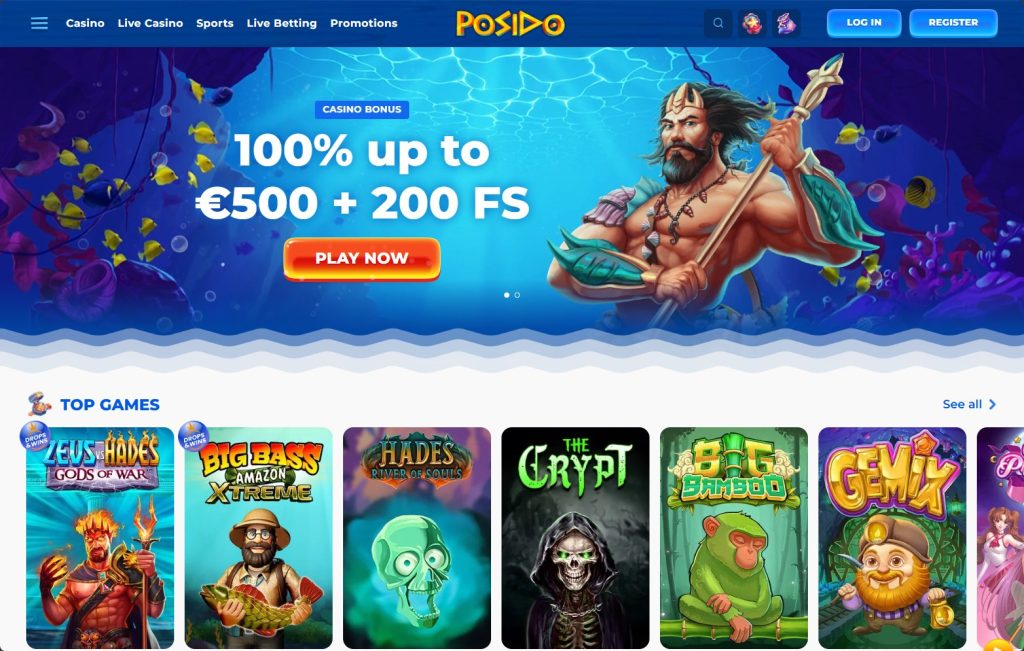
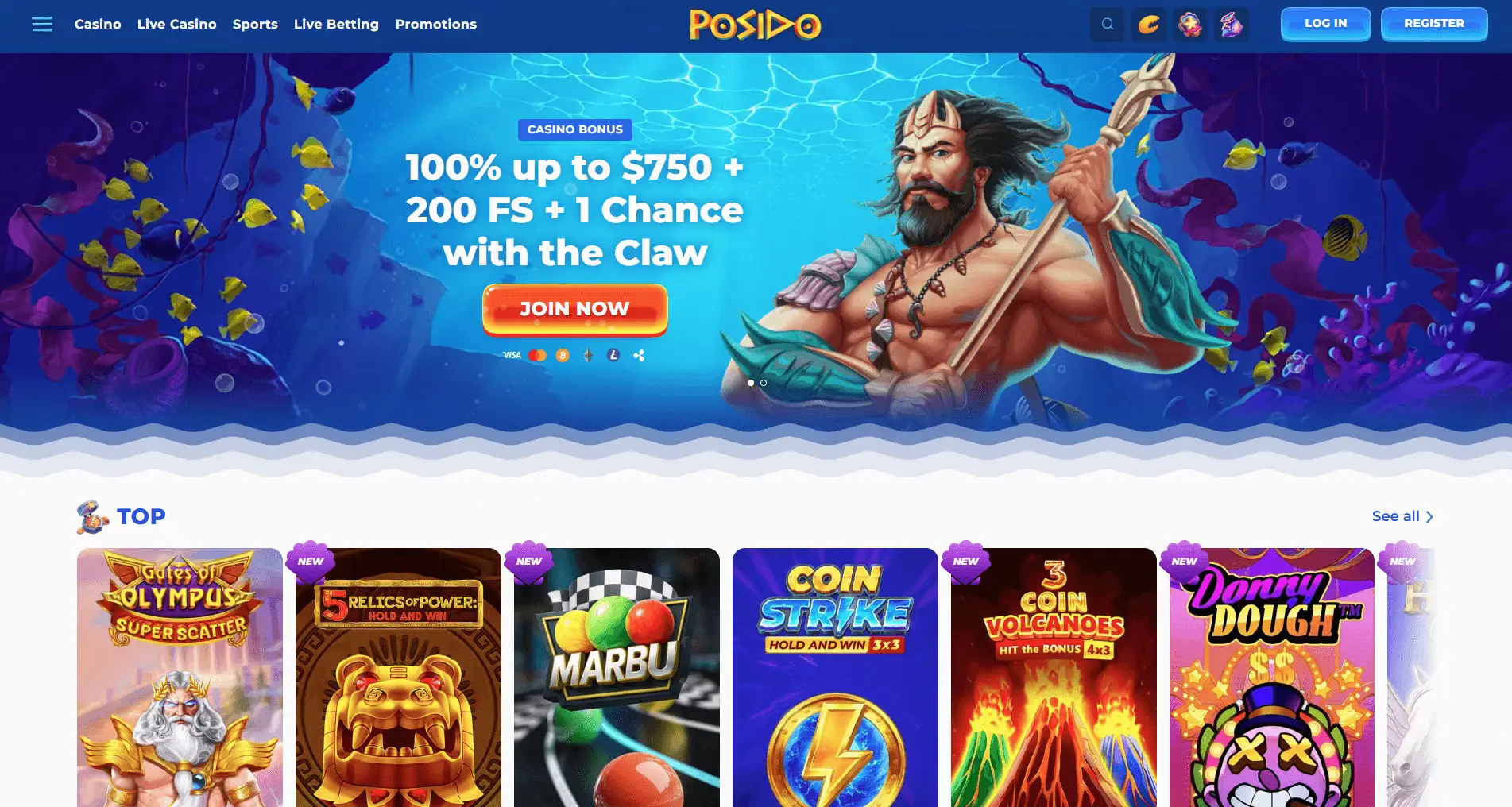
Step into a world of endless reels at Posido. Play top-rated slots, megaways and progressive jackpots, with free spins ready on your first deposit.
What exactly is Posido and what problem does it solve?
Posido is a global citizenship and remote work platform designed for digital nomads, freelancers, and location-independent entrepreneurs who need to navigate the complex legal, tax, and residency landscape across multiple countries. Instead of juggling expensive lawyers, confusing visa applications, and ever-changing tax rules, Posido offers a streamlined, end-to-end solution that covers everything from establishing legal residency in a tax-friendly jurisdiction to setting up compliant company structures and managing ongoing admin. The core value is that you get a trustworthy, stable base — a second residence or even a full second citizenship — without the traditional headaches of paperwork, language barriers, and hidden fees. They essentially act as your private concierge for global mobility, so you can focus on your work and travel while they handle the red tape.
How does Posido guarantee that my tax and residency setup is fully legal and compliant?
Posido partners with licensed local lawyers, accountants, and immigration experts in each jurisdiction they operate in, rather than relying on generic online advice. When you sign up, you're assigned a dedicated case manager who coordinates directly with these on-ground professionals to ensure every step — from obtaining a residence permit to registering your company and filing your first tax return — is done exactly as the local law requires. They also provide ongoing compliance monitoring, alerting you to any changes in legislation that might affect your status. The platform itself is built with a strong emphasis on transparency: all documents are stored securely, timelines are tracked, and you always know exactly which stage your application is at. The goal is to be so rigorous that your setup would hold up under any official audit.
Which countries does Posido currently offer residency or citizenship programs for?
Posido focuses on a curated selection of stable, tax-efficient, and life-quality-friendly jurisdictions. As of now, their core residence programs include Portugal (via the D7 passive income visa or the digital nomad visa), Spain (the non-lucrative visa and digital nomad visa), Malta (the Malta Permanent Residence Programme), and Greece (the Greek Golden Visa, particularly the new €250k investment option in real estate). For full citizenship, they work with countries that allow second citizenship through investment, such as Malta (the Malta Citizenship by Naturalisation for Exceptional Services by Direct Investment) and several Caribbean nations like Antigua and Barbuda, St. Kitts and Nevis, and Dominica. Each program has its own minimum investment or income thresholds, processing times, and physical presence requirements, and Posido helps match you with the one that fits your financial profile and lifestyle goals best.
What is the typical cost and timeline for getting a residence permit through Posido?
Costs vary significantly depending on the country and the specific program you choose. For example, applying for a Portugal D7 visa through Posido starts around €3,500 for their basic package, which includes all legal fees, document translation, and government submission costs — but this does not cover the actual visa fees or any investment capital required (e.g., €8,000 for the D7 plus proof of passive income). A full Malta Permanent Residence Programme application can cost upwards of €15,000 in service fees, combined with a €100,000 minimum government contribution and property costs. Timelines are equally variable: routine residence permits like the Portugal D7 or Spain non-lucrative visa typically take 4 to 8 months from application to approval, while citizenship-by-investment programs can run from 6 to 18 months. Posido provides a detailed fee breakdown and estimated timeline upfront in your personalized consultation, and they have a good track record of meeting these targets because they pre-screen clients for eligibility.
Can Posido help me if I am a freelancer or have a non‑traditional source of income?
Absolutely. Many of Posido’s most common clients are freelancers, online business owners, crypto traders, and remote employees with multiple income streams. The platform specifically structures residence applications around passive income (like royalties, dividends, or rental income) or active remote income from foreign clients. For instance, the Portugal Digital Nomad Visa requires proof of a monthly income of at least €3,280 from remote work, while the D7 visa is more flexible for anyone with a consistent passive income above the Portuguese minimum wage. Posido’s experts help you document your income cleanly — whether it’s through bank statements, client contracts, or crypto exchange reports — and choose the program that fits your earnings profile. They also advise on how to legally structure your business entity (e.g., as a sole trader or a remote company) to minimize tax liabilities in your new country of residence.
What ongoing support does Posido provide after I obtain my residency or citizenship?
Posido offers tiered post-approval services so you don't have to manage everything alone once you’ve moved. Their most popular package includes annual tax compliance support — they connect you with a local accountant who files your annual tax return correctly under your new residence’s rules, and they help you handle any cross‑border reporting requirements (like the US FATCA or the CRS). You also get help renewing residence permits (many programs require a physical presence every few years), updating your NIF (Portuguese tax number) or social security registration if needed, and even assistance with opening a local bank account or buying property. Clients who opt for the full concierge tier also receive alerts about changes in legislation that might affect their status, and a dedicated contact person for urgent matters like lost documents or travel emergencies. This ongoing support is what really sets Posido apart from a one-time immigration lawyer — it’s built to be a long-term relationship for your global life.
Is Posido suitable for couples or families with children?
Yes, every residence and citizenship program Posido offers includes the option to include a spouse, dependent children, and in many cases, dependent parents or even siblings. The application process for families is essentially the same as for an individual applicant, but with additional documentation required — such as marriage certificates, birth certificates, and proof of financial dependency for adult children over 18. Posido’s case managers are experienced in family applications and help you gather and translate all the necessary paperwork efficiently. The cost for family applications is usually higher because of additional legal and government fees per person, but the platform provides a detailed quote that covers all dependents upfront. For families with school‑age children, Posido can also advise on international school options and healthcare registration in your chosen country.
How does Posido handle cryptocurrencies and other digital assets in the residency application?
Posido has a specialized team that works with clients whose wealth or income includes cryptocurrency trading, staking, mining, or DeFi yields. They understand that crypto income is often hard to prove with traditional bank statements, so they guide you through best practices for documenting your digital asset portfolio — for example, exporting transaction histories from exchanges like Binance or Coinbase, providing wallet balances, and using third-party tax software to generate compliant reports. When applying for residence programs that require proof of passive income or capital, they help you convert your crypto holdings into a legally acceptable format, such as a bank statement showing a sale or a certified valuation from a licensed auditor. Their legal partners in Portugal, Malta, and other countries have experience with crypto‑savvy clients, so you won’t face rejection simply because your income comes from digital assets. However, each country has its own rules — for instance, Portugal’s D7 visa currently does not accept crypto income as passive income unless it is already converted into fiat and held in a bank account — and Posido advises you on exactly how to meet those requirements.
What happens if my application is denied? Does Posido offer a refund or a retry?
Posido has a transparency-first policy. Before you pay the full fee, they conduct a thorough eligibility assessment using a combination of your financial documents, your nationality, and your target program’s requirements. If there is any obvious red flag that would lead to a denial (like a criminal record or insufficient funds), they will tell you upfront and often recommend a different program or help you fix the issue before you apply. In cases where an application is denied despite following all their guidance, the team will work with you to appeal the decision or re-submit (depending on the country’s rules) at no extra cost for the professional services. However, government fees and third-party costs (like translations or notary fees) are non-refundable. If the denial is due to a reason that was clearly visible from the start and they missed it, Posido may offer a partial refund or a credit towards a different program — but this is handled on a case-by-case basis. Their track record shows a very high success rate, largely because they are conservative about who they accept as a client.
Can I use Posido if I don't have a huge amount of savings or a very high income?
Posido’s programs are designed for a wide range of budgets, not just for the ultra‑wealthy. The most affordable option is typically the Portugal D7 visa, which requires a passive income of roughly €8,500 per year (around €708 per month) as of 2025 combined with proof of savings. If you are a remote worker, the Digital Nomad Visa in Portugal only asks for a monthly income of about €3,280 — most mid‑career freelancers meet that. For those with around €250,000 in liquid assets, the Greece Golden Visa is a popular choice because you can invest the minimum amount in real estate and get residency for your whole family. The Caribbean citizenship programs start around $100,000 for a single applicant plus due diligence fees. Posido offers free initial consultations where they review your exact financial situation and suggest the most realistic path — they won’t push you into a program that is out of reach. Many clients are surprised to find they qualify for a program they thought was only for millionaires.
 English
 Français
 Deutsch
 Español
 Italiano
 Português